- May 1
Happy May: Away from "May I?" and into Confident Coparenting
- Still Family Team
- 0 comments
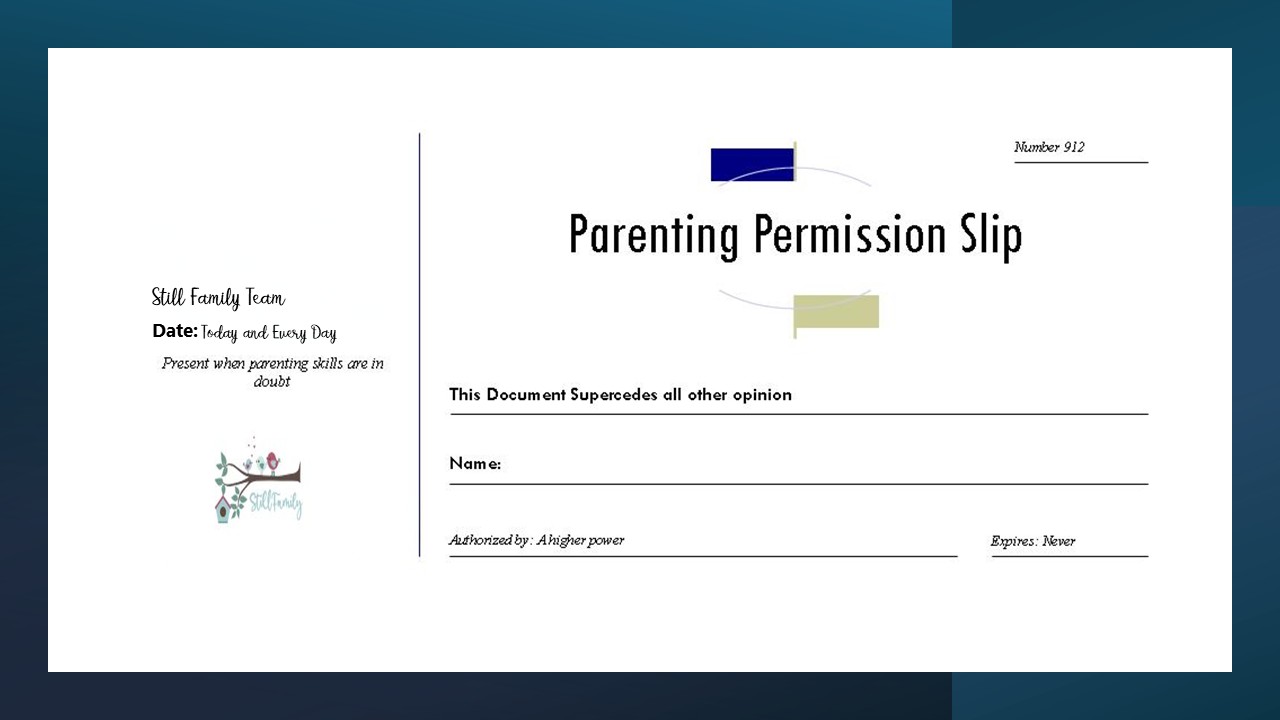
Happy May: Stepping Into Confident Coparenting
Happy May! Here’s hoping the warmer weather arrives soon, and that those April showers finally deliver the flowers we’ve been promised.
This month, I want to talk about something subtle but powerful in coparenting: asking permission for things you already have the right to do.
Parents often send messages like:
“May I take my vacation June 21st through June 28th?”
“May I sign Jacob up for swim lessons?”
“May I take Lydia to visit her grandparents?”
These questions sound polite and cooperative. But in many cases, they’re unnecessary, and they unintentionally shift power to the coparent. This pattern shows up often in high‑conflict coparenting dynamics, where one parent may feel pressured to seek approval even when it isn’t required.
When “May I…?” Becomes a Pattern
If you’ve had difficult experiences in the family court process, it’s completely understandable to feel unsure or hesitant. Many parents begin to second‑guess themselves, wondering whether they need permission for every decision involving their child.
But here’s the truth:
You do not need to ask permission to do something that is already within your authority as a parent.
When you behave as though you have no power, you reinforce the idea - in your coparent’s mind and in your own - that they hold all the control. And coparents who use the court system as a tool for power and control often thrive on that dynamic.
Reclaiming your authority is not conflict. It’s confidence.
Why This Happens
Parents who have been through repeated court missteps or high‑conflict interactions often become overly cautious. These experiences can shape the entire coparenting relationship, making even simple decisions feel risky. You may worry that taking initiative will be misinterpreted or used against you.
But being assertive is not the same as being aggressive. Being clear is not the same as being controlling. And following your court order is not optional, it’s your responsibility.
You are allowed to parent confidently, even when your coparent doesn’t like your choices.
How to Know When You Can Act Without Permission
Use these questions as your internal guide:
1. Is it written in a court order or signed agreement?
For example: vacation requests, notice timelines, or specific procedures.
2. If so, have you followed the guidelines as written?
If yes, you’re acting within your rights.
3. If it’s not written anywhere, does the decision affect only your parenting time, your finances, or your household?
If it impacts only your side of the parenting schedule, you typically do not need permission.
4. Does the decision fall under joint legal custody?
Joint legal custody usually covers:
medical decisions
education
therapy
religion
major activities
If your decision does not fall into one of these categories, you likely do not need joint agreement.
The Bottom Line
If what you’re doing:
does not violate the parenting plan,
does not contradict a court order, and
does not fall under joint decision‑making,
then you are free to move forward.
And in many situations, you don’t even need to share the details of what happens on your parenting days. Information‑sharing is not the same as seeking approval.
A Healthier, More Confident Approach
Instead of asking:
“May I take my vacation June 21st through June 28th?”
Try:
“Per the parenting plan, I am submitting my vacation dates for June 21st through June 28th”
Instead of:
“May I sign Jacob up for swim lessons on my parenting time days?
Try:
“I am signing Jacob up for swim lessons on my parenting time days. I will cover the cost. Here is the information so you can participate if you choose.”
Instead of:
“May I take Lydia out of town to visit her grandparents”
Try:
“I will be taking Lydia out of town to visit her grandparents this weekend. I wanted to let you know we'll be traveling and visiting so we may not answer calls until we return.”
Instead of:
“May I sign Emma up for the library's summer reading program?”
Try:
“I’m signing Emma up for the library’s summer reading program on my parenting time. There’s no cost. Here’s the information if you’d like to participate on your days.”
These statements are calm, factual, and aligned with your authority as a parent.
Stepping into your parental authority is not about creating conflict, it’s about honoring the role you already have. When you act within the boundaries of your court order and your parenting time, you reinforce stability for your child and confidence in yourself. You don’t need permission to parent. You simply need confidence, consistency, and the courage to use the authority you already hold.
Healthy coparenting doesn’t require asking permission for decisions that fall within your parenting time or your existing court order. Each time you communicate clearly and act within your authority, you strengthen your confidence and reduce unnecessary conflict. Your child benefits most when you show up with calm, intentional leadership, and that begins with trusting yourself to make appropriate decisions without seeking approval you don’t need.